Choosing a domain name is like laying the foundation stone for your brand’s digital presence. But with over 354 million registered domain names worldwide as of 2023, the challenge is not just about finding an available domain—it’s about crafting one that’s truly unique, memorable, and reflective of your brand’s identity. Whether you’re launching a startup, personal brand, or online store, your domain name is one of the first signals of your brand’s personality, values, and professionalism. So how do you create a domain name that stands out from the crowd while capturing the essence of your business? Let’s dive deep into the process and strategies for creating a unique domain name that truly reflects your brand.
The Power of a Unique Domain Name in Branding
A domain name is much more than a technical address. It’s the digital equivalent of a storefront sign—setting the tone for customer expectations and brand trust. According to a Verisign study, 74% of consumers trust a company-branded domain more than a generic one. A unique domain name is easier to remember, less likely to be confused with competitors, and can even help with word-of-mouth marketing.
A distinctive domain also signals authenticity. In an age where online scams and imitations abound, an original domain reassures visitors they’ve reached the official site. Consider brands like Spotify, Zillow, or Etsy—each has a name that’s both unique and instantly recognizable, helping them carve out a distinct space online.
.png)
Understanding Your Brand DNA Before Brainstorming
Before brainstorming domain names, it’s essential to have a clear understanding of your brand’s identity and audience. Ask yourself:
- What are your brand’s core values and mission? - Who is your target audience, and what language or tone resonates with them? - What emotions or associations do you want your brand to evoke?For example, if your brand is playful and youthful, an unconventional or whimsical domain might work (think “FunkyMonkey.com”). For a financial consultancy, a name that conveys trust and expertise is more appropriate (such as “SteadfastAdvisors.com”).
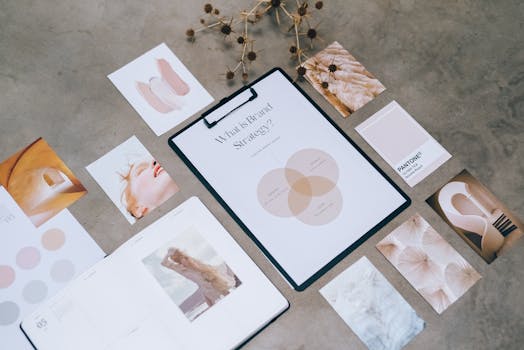
Creating a brand document or mood board can help identify keywords, concepts, and visual cues that should influence your domain choice. The more specific you are about your brand’s DNA, the easier it becomes to create a domain that aligns with your vision.
Creative Strategies for Generating Unique Domain Names
With millions of domains already registered, traditional names are often taken. Here are some creative techniques to ensure uniqueness and brand alignment:
1. $1 Make up a new word or combine two relevant words. Google, Instagram, and Pinterest are all examples of invented or merged words. This approach ensures originality and makes trademarking easier. 2. $1 Consider translating key brand values or product features into other languages. For example, “Verve” (energy, enthusiasm) or “Lumos” (Latin for light). 3. $1 Use country code TLDs (like .ly, .io, .ai) to create memorable phrases or words (e.g., “visual.ly”). 4. $1 Tweak the spelling of common words without making them too obscure (e.g., “Flickr” instead of “Flicker”). 5. $1 If your ideal name is taken, experiment with adding relevant prefixes (“get”, “try”, “go”) or suffixes (“ly”, “ify”, “ster”). 6. $1 Names that are fun to say are easier to remember. For example, “PayPal” or “BestBuy”. 7. $1 Domains with 6-14 characters are statistically more memorable and less prone to typos, according to DataGenetics.Remember to always check for existing trademarks and domain availability before committing to a name.
Evaluating Domain Extensions: .com and Beyond
While .com remains the gold standard—accounting for over 46% of all domain registrations in 2023—other extensions (TLDs) are rapidly growing in popularity. Choosing the right extension can further reinforce your brand’s identity or niche.
Here’s a comparison table of popular domain extensions and their typical use cases:
| Extension | Popularity (2023) | Common Uses | Branding Considerations |
|---|---|---|---|
| .com | 46% | Commercial, global brands | Universal recognition, trust |
| .io | 2.5% | Tech, startups | Modern, tech-savvy vibe |
| .ai | 1.2% | Artificial intelligence, tech | Innovative, future-forward |
| .co | 1.9% | Companies, alternative to .com | Concise, startup-friendly |
| .org | 5.2% | Nonprofits, communities | Trust, authority in causes |
| .shop, .store | 0.7% | E-commerce | Direct call to action |
Choosing a newer extension can help you secure a unique, brandable name, but consider your audience’s trust and expectations. For example, .io and .ai are widely accepted among tech users but may be confusing to non-technical audiences.
Testing for Memorability, Pronunciation, and Global Appeal
A unique domain is only valuable if people can remember and share it easily. Research shows that 60% of website traffic comes from users typing domain names directly or clicking bookmarks, according to SimilarWeb’s 2022 study. Here’s how to test your shortlisted names:
- $1 Is it easy to pronounce? Can someone spell it correctly after hearing it once? - $1 Does it look clean and professional? Is it prone to common misspellings? - $1 Ensure your domain doesn’t have unintended meanings or offensive connotations in other languages or cultures, especially if you plan to go global. - $1 Share your options with potential customers, friends, or colleagues. Note their first impressions and any confusion.There are online tools like Namechk or Domainr that can help you instantly check availability across domain extensions and social media handles—critical for cohesive branding.
Balancing Uniqueness with Future-Proof Flexibility
While uniqueness is key, it’s also important to future-proof your domain name choice. Many brands outgrow their original niche and expand their offerings. For instance, Amazon started as an online bookstore, but the broad, metaphorical name allowed the company to diversify.
To ensure your domain keeps pace with your growth:
- $1 For example, “BestDenverShoes.com” could limit future expansion beyond shoes or Denver. - $1 What’s trendy today may be outdated tomorrow. - $1 Register common misspellings, variations, or other relevant extensions to protect your brand.A flexible domain name allows you to adapt, rebrand, or pivot your business model without losing brand recognition or SEO momentum.
Real-World Examples: Unique Domains in Action
Let’s look at a few examples of brands that turned unique domain names into powerful assets:
- $1 This meal kit company chose a name that’s unique, memorable, and evocative of the culinary world (blue aprons are traditionally worn by apprentice chefs). The domain is short, catchy, and instantly signals their industry. - $1 By combining two common words, Squarespace created a new brand identity that’s easy to pronounce and recall—perfect for a website-building platform. - $1 The name is metaphorical—evoking the idea of a place to “drop” and store files. It’s unique and future-proof, allowing for service expansion.These brands demonstrate the value of creativity, clarity, and strategic thinking in domain name selection.
Final Thoughts on Crafting a Unique Domain Name That Reflects Your Brand
A unique domain name is a major asset for any brand seeking to establish authority and recognition online. It serves as the front door to your business, the first impression for potential customers, and a foundation for future growth. By deeply understanding your brand, applying creative naming strategies, evaluating extension options, and testing for memorability, you can create a domain that doesn’t just stand out, but also stands the test of time.
Remember, the right domain name isn’t just about availability—it’s about authenticity, resonance, and adaptability. Take the time to craft a domain that truly reflects your brand’s story and ambitions.