Choosing a Domain for Your Personal Blog: Inspiring Trust and Connection with Readers
Starting a personal blog is more than just picking a topic and hitting "publish." One of the most critical—and often overlooked—decisions is choosing the right domain name. Your domain isn’t just your web address; it’s your digital calling card, the first impression you make on readers, and a powerful signal of your personality, values, and expertise. In an age where over 350 million domain names are registered worldwide, standing out and building trust with your audience begins with a carefully chosen domain.
This guide explores how to select a domain for your personal blog that goes beyond catchy branding. You'll learn how to build emotional connections, boost reader confidence, and increase the likelihood that your blog will be remembered, shared, and revisited.
The Psychology Behind Memorable Domain Names
Before brainstorming possible names, it's important to understand how readers perceive and remember domains. Studies show that people form opinions about a website in as little as 50 milliseconds, and your domain is often the first thing they see in search results, social media shares, and browser tabs.
.png)
A 2023 survey by Verisign found that 77% of internet users are more likely to trust a website if its domain name closely matches the content or purpose of the site. This means that a domain like janesgardendiary.com will almost always inspire more confidence in readers looking for gardening tips than something vague, like janesworldonline.com.
Key psychological factors that influence domain memorability and appeal include:
- Relevance: Domains that clearly relate to your blog’s content or theme are easier to remember and trust. - Simplicity: Short, easy-to-pronounce names are more likely to stick in a reader’s mind. - Emotional resonance: Words that evoke positive feelings or curiosity increase engagement and recall.In other words, the best domains for personal blogs are those that instantly communicate what you’re about and leave a positive impression.
Matching Your Domain to Your Blogging Persona
Your domain should reflect your unique voice and blogging persona. Are you a trusted expert, a relatable storyteller, or an adventurous explorer? Readers gravitate toward blogs where the domain name matches the author’s tone and identity.
For example: - An aspiring travel writer might choose "WanderWithMaya.com"—inviting readers to join the journey. - A humorous parenting blogger could opt for "DadJokesAndDiapers.com," signaling both the topic and the tone.To align your domain with your persona, consider these steps:
1. Define your core message and values. Are you focused on honesty, humor, expertise, or inspiration? 2. Make a list of adjectives that describe your writing style (e.g., candid, witty, compassionate). 3. Brainstorm domain names that include your name or nickname, paired with a word or phrase that reflects your blog’s focus and style.Personal blogs with authentic, personality-driven domains are proven to attract more loyal readers. According to Orbit Media, blogs with a clear personal brand in their domain see 23% more repeat visitors than those with generic or unrelated domains.
Choosing the Right Domain Extension: More Than .com?
The domain extension, or top-level domain (TLD), is the part after the dot—like .com, .net, or .blog. While .com remains the most recognized and trusted (used by 52% of all websites globally), many new options are available.
But which extension best supports trust and memorability for a personal blog?
| Extension | Pros | Cons | Best For |
|---|---|---|---|
| .com | Most familiar, universally trusted, easy to remember | High competition for names; many are already taken | Any personal blog |
| .me | Personal touch, great for individual branding | Less familiar; some users may default to .com by habit | Portfolio, personal journals, about-me blogs |
| .blog | Clearly signals a blog, newer and more available | Not as widely recognized yet; may look less professional to some | Any content-focused blog |
| .net | Alternative if .com is taken, still familiar | Less memorable, often associated with tech | Tech-focused or creative blogs |
| .co | Short, trendy, popular with startups | Often confused with .com, sometimes more expensive | Modern, entrepreneurial blogs |
In summary, if you can secure the .com version of your desired domain, it’s still the best choice for trust and recall. However, if it’s unavailable, .me and .blog are strong contenders for personal blogs, especially if you want to emphasize individuality or content focus.
Embracing Authenticity: Avoiding Trends and Staying True
In the rush to stand out, it’s tempting to chase the latest trends: quirky misspellings, random mashups, or using numbers to replace words (e.g., "G8rBlog.com"). While these might seem creative, they rarely build lasting trust with readers.
According to a 2022 Moz study, domains with intentional misspellings (like "KwikTips.com") had 36% lower click-through rates from search results compared to correctly spelled counterparts. Why? Readers associate odd spellings or gimmicks with spammy or unprofessional sites.
Tips for authentic, reader-friendly domains:
- Use real words that are easy to pronounce and spell. - Avoid unnecessary hyphens, numbers, or special characters. - Resist changing letters to numbers or using obscure slang unless it’s a core part of your brand.Authenticity is key. Your domain should feel like a natural extension of your identity and values. Readers are more likely to connect with "EmilyWritesHere.com" than "EmWryt3z.com."
The Power of Storytelling in Your Domain
Great domains don’t just describe—they invite readers into a story. Story-driven domains spark curiosity, create emotional resonance, and hint at the journey readers can expect.
Consider the difference between "SarahsRecipes.com" and "FromScratchWithSarah.com." The latter suggests a narrative: cooking from the ground up, with Sarah as your guide. This subtle storytelling element can be the difference between a forgettable web address and one readers share with friends.
How to infuse storytelling into your domain:
- Use action-oriented words or phrases ("DiscoverWithDonna.com", "ChasingSunsetsBlog.com"). - Include a hint of your blog’s mission or promise ("BetterLifeWithBen.com"). - Ask yourself: Does my domain suggest a journey, transformation, or experience?Story-rich domains are more likely to be remembered and recommended. In a 2023 Namecheap poll, 41% of respondents said they are more likely to revisit blogs with domains that "tell a story or paint a picture" rather than those that are strictly descriptive.
Practical Steps to Secure Your Ideal Domain
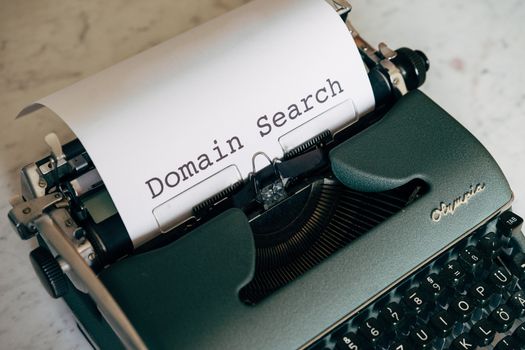
After brainstorming and narrowing down your options, it’s time to check availability and secure your domain. Here’s a step-by-step process:
1. Use a domain search tool, such as Namecheap, GoDaddy, or Google Domains, to check if your desired name is available in your chosen extension. 2. If your first choice is taken, try slight variations—add your middle initial, location, or a keyword that reinforces your persona or story. 3. Register the domain as soon as possible. Over 33,000 new domains are registered every day; a good name won’t stay available for long. 4. Consider purchasing common misspellings or alternate extensions (.net, .me) to prevent confusion or cybersquatting. 5. Set your domain to auto-renew to avoid accidental expiration.Pro tip: Even if you’re not ready to launch your blog, securing your desired domain now can save you headaches and higher costs later. The average price for a premium personal blog domain has risen by 15% since 2021, according to Sedo’s 2023 market report.
Final Tips for Choosing a Domain Readers Will Love
The journey to the perfect personal blog domain is as much about self-reflection as it is about strategy. Your domain should be clear, memorable, and authentic—to both you and your audience. It should tell a story, evoke trust, and make readers feel like they’re joining you on a meaningful journey.
Remember these final tips:
- Prioritize clarity over cleverness. If in doubt, go simple. - Test your ideas out loud and with friends—can they spell and remember it after hearing it once? - Check for trademarks and social media handle availability to ensure consistency across platforms. - Trust your instincts. If a domain feels right and captures your blog’s spirit, it’s likely to resonate with readers too.A thoughtfully chosen domain is the foundation of a successful personal blog—one that readers will visit, trust, and share for years to come.